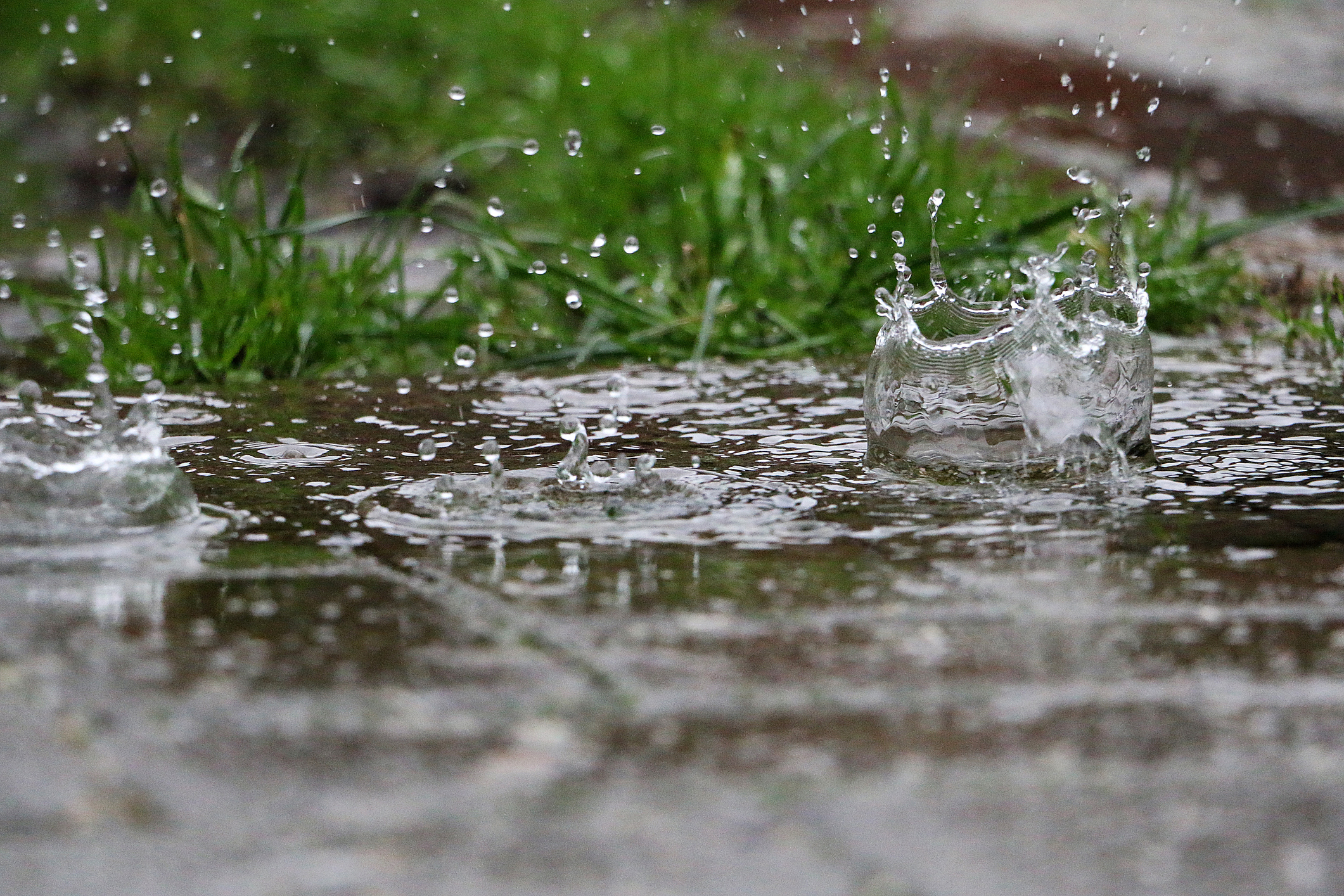
Any 80’s kids out there? I was trying to come up with a clever title for this piece and the Nelson brother’s song, “After the Rain” popped into my head, and it hasn’t left. Anyone? Oh well, let’s move on. (whoa-oh-oh after the rain, washes away the tears and all the pain…)
What do you think about when you read the word “Water”? That you need to drink more of it? I know I do. Do you think about the floods in California? The wildfires in Australia? The dead zone in the Gulf of Mexico? And if you live in the Great Lakes region of the country, where the largest freshwater system in the world resides, do you worry it won’t always be there for us?
I’ve mentioned that industrial agriculture has been the source of destruction on our planet – and water has not escaped its wrath. (side note: I’ll be replacing the term “conventional agriculture” with “industrial agriculture,” as I hope that regenerative agriculture will become convention!) But agriculture, regenerative agriculture (“Regen Ag”), can right a lot of our history’s wrongs. And our water, which is precious for all life, is not lost.
The What
Part 3 of this series on Regen Ag is about water. And this is not much different than with climate and nutrition. If we treat our food as if it is part of a cycle, if we regenerate rather than extract, then this system can sustain us well into the future.
The Why
Water moves through a cycle, as many things ought to for balance. And it is important, as consumers, that we understand how our choices can save our water and reduce the number of extreme weather events that we’ve watched with great sadness over these last several years.
Just the Facts Ma’am
Rain on a farm
When soil is left bare after it is plowed, it gets hot! And when it gets hot, it is hard for much life in the soil to survive. So first the plow pulls up plant partners and breaks up habitats beneath the soil, and then the heat bares down, the wind blows and the rains wash away the life and nutrients that remain. As a result, the soil is like dust. When it gets wet, it crusts over, and very little water goes into the ground. Most of what remains on the surface evaporates. The results are you have floods.
On the flip side, when rain is scarce and the plants need water the most, that soil is unable to provide it. So, farmers need to irrigate to keep the plants alive, which can be expensive and wasteful. And in arid climates, like in the Western US, where a lot of our food is grown, water for irrigation is even more so, as it is precious and limited. That is how industrial farming experiences these cycles.
Rain within the water cycle

There is also an impact on the greater water cycle. Over the entire country, on hundreds of millions of acres, farms are run this way. And as rain falls, it hits the earth, a bit trickles in, and the rest either runs off into local watersheds (and sometimes our basements) or sits on fields, drowning crops and then evaporating in mass amounts over its large surface area. When water evaporates at that rate, mass amounts of water go into the atmosphere, collect and cool, and then dumps once more. And wind patterns sometimes take that water far away, so there can be long periods without much rain.
When rain becomes run-off
Only one more sad fact, I promise. When water is washed away because it can’t go down into the soil, it takes with it precious topsoil and the chemicals added to the soil by industrial agriculture – pesticides, herbicides, fungicides, and fertilizer. And where do you think that water goes?
Rain with Regen Ag
When soil is covered with plants, however, and the soil has a lot of life in it, it acts like a sponge. It absorbs tens of thousands of gallons more per acre than the soil that was left bare. And the plants covering this ground keep it cooler, so evaporation happens at a much slower rate. As a result, less water returns to the air, leading to much smaller and more manageable rain events. A large portion of the water that is absorbed by the sponge stays within its porous cavities that plants can access in times of less rain. As a result, farmers need to rely less on irrigation – saving money and resources. The remaining water that the soil absorbs seeps further into the ground, is filtered on its way, and recharges local aquifers and streams.
If you’ve read enough for today, skip down to What You Can Do.
Let’s go down the rabbit hole, shall we?
Glomu-what?
I’ve covered a lot in Just the Facts, but here are some more science-heavy facts that add meat to the story. First, there is the soil that acts like a sponge. Soil can do that when there is life in the soil. By life, I mean fungus. Mycorrhizal fungus creates a symbiotic exchange with plants – plant sugars for digested soil nutrients. And to create these exchange pathways, the fungus creates a sticky substance called Glomulin. This is only a very recent scientific discovery. It was in 1996, when this substance was first recognized, coined, and researched. This sticky substance makes the soil clumpy or aggregated. It’s these soil aggregates that create pockets in the soil for air and water. It is this soil structure, which wouldn’t exist without roots in the soil and fungus to partner with it, that makes the soil like a sponge. This is why when a farmer stops tilling, when they keep living roots in the soil, and when they don’t apply chemicals that can interrupt this partnership, the soil is as it should be – a carbon sink, a sponge for water, and a universe of life that feed the plants nutrients.
We have the power
Second, people did not always think they could affect the weather by the way they grow food, but now some know they do. And hopefully, more and more will appreciate just how much. If the millions of acres of farmland in our country that get tilled every year stayed covered, and the soil life could be allowed to proliferate, we would see less on the news about mass flooding and crop loss due to severe rain events. We would see fewer stretches without rain, and fewer effects when there are. Keeping water moving through the cycle at a reasonable clip is just the ticket.
Run-off is a huge bummer
Third, we have some serious nutrient loading happening in the Gulf of Mexico, creating dead zones, places where there is no life in the ocean. And similar spots like this exist all over the world, like my home state of Michigan, for example, in Saginaw Bay. This is due in part to agricultural runoff, rainwater that could not be absorbed by poor soils. On its way out, the rain picked up the chemicals applied to the land and took them elsewhere – to places where lake and sea life are dying. It also can reach our drinking water.
But nature CAN be forgiving. And I believe that if we know what’s happening and what’s causing it, when we visit the grocery store or farmers market, and we see “regenerative”, we consider buying that bread or those chips or that lettuce over those that don’t have that word on their labels. Because consumer demand (that’s us!), is a powerful, powerful tool. Let’s learn how to use it!
What you can do
- Ask questions. There’s a term called “Greenwashing,” where companies make claims about their food products that just aren’t true so that we will believe they are being climate-friendly. Find out what these companies are actually doing.
- Buy from this list! There is a podcast called Regen Ag Brands. It’s a fun listen, but they also have a list of over 100 Regen Ag Brands on their website.
- Sign a petition to encourage the government to pass a farm bill this fall that supports soil health. https://regenerateamerica.com/petition/#/4/ This will lead to healthier options at the grocery store.
- When you visit the grocery store, and the cashier asks if you found everything you were looking for, tell them you would like to see more organic and regenerative options at the store.
- Go to farmers’ markets and ask the farmers how they grow their food. If they are focused on soil health, consider buying from them. Remember – soil health practices are no-till, crop rotation, no chemicals, keeping the soil covered, adding compost and incorporating biodiversity. We all have busy lives, but if you can make one more stop on your shopping trip, consider a farmers’ market or local food hub to substitute some of your grocery store purchases.