The What
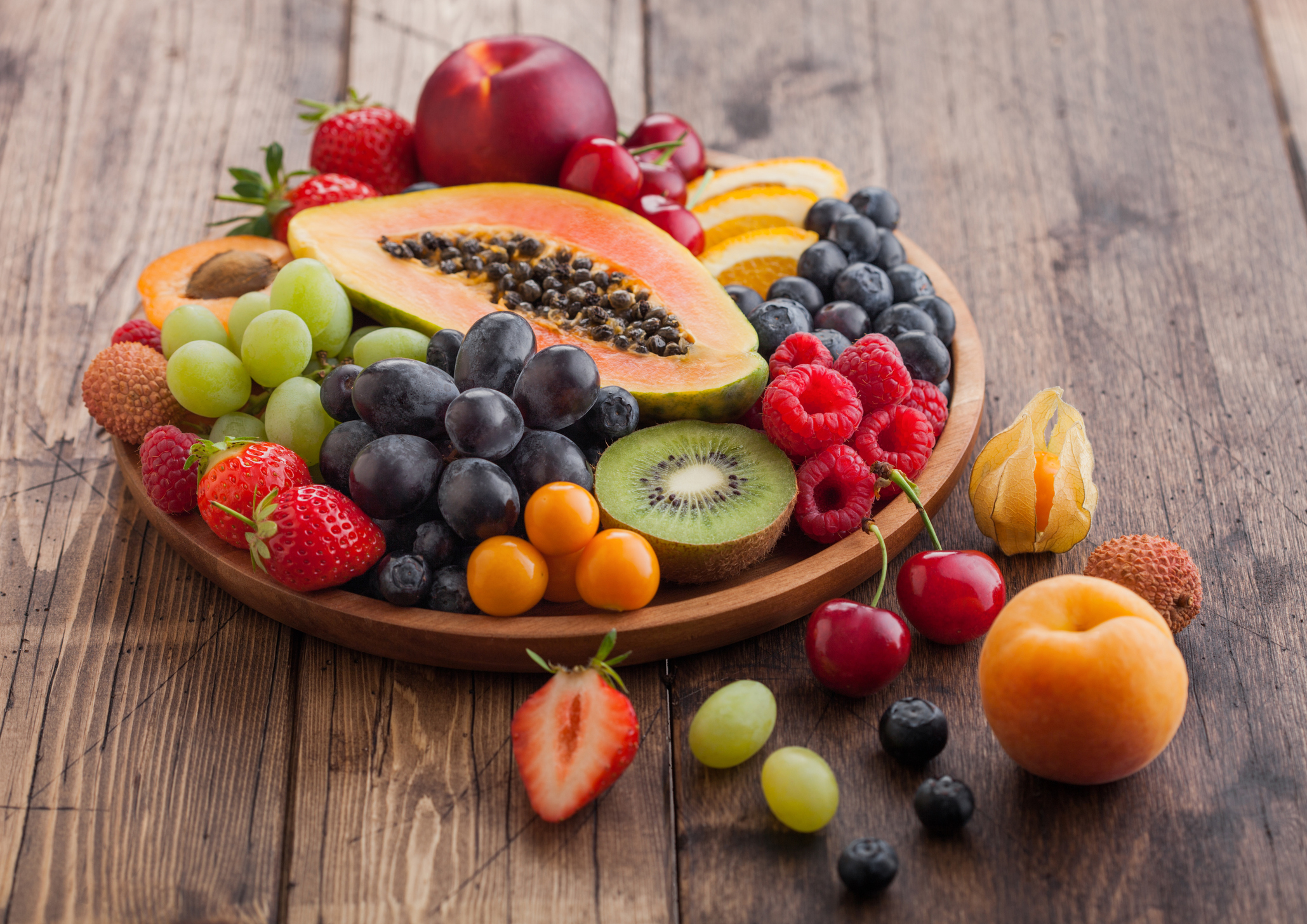
This may sound contrary to rational thinking, but some people avoid fruit. I’m not talking about your 8-year-old who makes a face every time you suggest they eat an apple, banana or blueberry. I’m talking about some people who avoid fruit, who do so very deliberately, and by most standards, are considered very healthy. As a health coach in-training, and a passionate health advocate, I would love to nip this one in the bud. I’ll share what I know, and let you decide.
The Why
Fruit tends to be higher in sugar than it’s cousin, the vegetable, which is why some choose to avoid them. But they can also be powerhouses of nutrients for your body. So it’s worth looking at in more depth, within a digestible read. Let’s try it!
Just the Facts, Ma’am
Fruit, like most foods we eat, contains glucose (sugar). Glucose is fuel for our cells to live, grow, heal and repair. Without glucose, we die. However, that being said, when we give our body more glucose than it needs, and the basic storage tanks (our muscles and liver) are full, two bad things happen. First, our blood gets flooded with insulin to manage and carry the overage of glucose to its destinations. Too much insulin in our system, studies show, can lead to a host of long term chronic health issues. So regular and reasonable insulin flows – ok, but regular flooding -not ok. Second, and most visually, our body sends the excess glucose to our fat cells to store, which leads to weight gain.
Are you a little freaked out? Don’t panic! Fruit has two very important components that prevent the flood, it has water and fiber. So, if you drink a glass of orange juice, that will deliver your body the sugar of 8 oranges, but try and eat 8 oranges. Not happening! We will get too full, too fast. And that’s a beautiful thing. It is very hard to overeat whole fruit, and therefore, it’s hard to get too much glucose and the resulting weight gain from eating whole fruit. YAY!
In short, when seeking optimum health, fruit is not usually the problem.
If you’ve read enough, and would like to skip down to What You Can Do, click here.
Let’s Jump Down the Rabbit Hole, Shall We?
If you’ve considered removing fruit because of the sugar content, I would first like to urge you to eliminate these items first:
- Drinks with added sugar or sweeteners.
- Ultra-processed Foods – UPF have added sugar all over the place AND typically will have ingredients that behave like sugar in the body, like flour. There is little to no fiber in these foods, which will lead to the insulin floods mentioned above. So do your best to minimize or eliminate – crackers, cereals, most breads, chips, candy, cookies, desserts, even salad dressings, bbq sauce, and nut butters with added sugar. The list goes on.
- Altered forms of fruit – Juice, dried fruit, dehydrated fruit, fruit jams and jellies. (Caveat: If you eat NO whole fruit, for the sake of getting some essential vitamins and phytochemicals, some dried or dehydrated fruit is ok. Just be sure to limit your serving size. It’s very easy to overeat dried fruit where the fiber and water don’t come into play, which signal to your body that you’ve had enough!)
If the only glucose you get in your diet is from real whole foods, you are unlikely to overeat and gain weight. That fiber and water really help with overeating and with insulin rushes. It makes you feel full and slows the glucose as it enters your body and eventually your bloodstream. And the health benefits from all the naturally occurring vitamins, minerals and phytonutrients in fruit are hard to beat.
In fact, I would recommend USING whole fruit to replace some of those items listed above. And you can use fresh or frozen whole fruit. When I get a hankering for something sweet at night, I enjoy grass-fed organic Greek yogurt, organic frozen blueberries heated up just a bit so the juice flows out into the yogurt (the rest of the berry is still in there!) and a little honey. Yes, it’s still glucose, but it’s also fiber, healthy fat and protein – all wonderful things to give my body. The blueberries are low in glucose comparative to most other fruits, and the yogurt will help slow the glucose intake, as well.
Fruit is a great way to move away from the UPF and super sweet desserts. I will advise, give your taste buds a little time to adjust. UPFs are scientifically designed to be hyper-palatable. So eventually, those items will taste WAY too sweet, but as you transition, the fruit, which is glorious, might not quite hit the spot. Eventually, it so will!
“Food companies ‘design food for irresistibility. It’s been part of their business plans.’”
Dr. David A. Kessler, Author of The End of Overeating: Taking Control of the Insatiable American Appetite
For those of you who have already eliminated UPFs, sugary drinks and altered fruit from your diet – holy cow! Kudos to you! If you are at that point, which means your body is functioning better than most, and you are wondering, “Melissa, can I though? Can I eliminate fruit?” Dr. Kimberly Besuden, Certified Functional Medicine Practitioner (CFMP) and former competitive athlete, told me – Yes, you can!
But just like getting enough protein as a vegetarian is achievable but challenging, getting the phytonutrients you need living life fruit-free is achievable, yet challenging. Please refer to my blog post, The Rainbow Takes Out the Trash, for a greater understanding as to why all the colors have so much importance in our health and longevity.
Can you eat TOO much fruit? Technically yes, but like anything, eating a balanced diet of a variety of real whole foods should help you maintain a healthy body at a healthy weight. A few servings a day of a variety of fruit should not tip the scales.
Speaking of tip, here’s one: if you want to minimize the amount of sugar you eat, you can check the Glycemic Load and Glycemic Index charts, which will tell you which real whole foods of all kinds contain higher levels of sugar and cause the highest blood sugar spikes. Fun fact: Some of the fruits that have the lowest levels of sugar are whole and raw raspberries, cherries, apples and citrus fruits.

Glycemic Index – A measure of how quickly a foods carbohydrates raise blood sugar levels.
Glycemic Load – The amount of carbohydrates in a serving of that food.
Conclusion
Every. Body. Is. Different. General rules don’t necessarily apply to everyone. But generally speaking, it’s best to eliminate a whole list of other “foods,” like processed foods and sugary drinks, before you get to fruit, unless you have a medical condition that makes eating fruit a health hazard. Aging can also change how your body responds to the sugar in certain foods. For most of us, however, fruit delivers glucose, fiber, water and a variety of vitamins, minerals and phytochemicals that help us stay healthy longer. And it’s usually recommended, by health professionals and nutritionists alike, to eat a balanced diet of real whole food that includes fruits, vegetables, and your preferred sources of fats and protein.
What Can I Do
- Eliminate other foods, like UPF and sugary drinks, before considering eliminating fruit.
- Limit fruit – if you make an effort to EAT THE RAINBOW of vegetables.
- Consult with your doctor about supplementing your diet with more vegetables and possibly supplements if you decide not to eat fruit, so that your body is getting what it needs to thrive.
- Buy Organic or Regenerative AND LOCAL if you can. Read my blog posts on the benefits Regenerative and Local to your health.
- If you want to eat fruit that will give you less of a blood sugar spike, refer to the glycemic index of fruits.
- Every body is different. If you want to know how your body responds to different foods, consider using a continuous glucose monitor. It will tell you a lot about how your body reacts to different foods.
One response to “To Eat Fruit or Not To Eat Fruit – Is that the Question?”
Great reminders Melissa!! Thank you for organizing this into such simple ideas and strategies.