It’s been a few weeks since I was last at the farm, I’m afraid. But seeing the progress that had been made by the humans and the plants since my last visit was such a lovely contrast, that I quickly moved past the guilt and on to gratitude. It was a beautiful day – the sun was shining, but not too much. It was warm but not hot. And the farm was buzzing with life, good energy, and hard work.
At one point, I stood back, looking around, and tried to decide what I might share with you about today. What immediately came to mind is diversity – the huge variety of crops on this farm, birds and bugs flying around, the different lines of business the farm has, and the volunteers of different ages, races, and backgrounds. And it mirrors what I’m learning on this food journey about the body’s ecosystem, and how important it is to have diversity within, as well.
The Ecosystem on a Farm
There is a common lettuce pest called the flea beetle. And if your farm is mainly lettuce, the flea beetle is a real threat to your livelihood. On an industrial farm, a farmer may spray pesticides, but some of those chemicals are human endocrine disruptors (they mess with our hormone levels). So while that might be “effective”, it is not a safe option. Being a student of regenerative agriculture, I asked Will, our farm manager, why we couldn’t just bring in a predator species to control the pests. If you’ve read earlier posts, you’ll recall that this is an organic farm, so the plants are not sprayed with chemical pesticides (phew!). Therefore, pest control must be implemented using integrated pest management (“IPM”), which can incorporate several methods of pest control that are safe for humans. Cultivating an inviting home for a pest’s predator is often a solution in IPM. But alas, Will tells me, that in this case the predator-prey cycle would take too long, and by the time the predator species settles in and starts to feast, the flea beetle will have done the damage. But creating environments of diversity can cultivate a food chain that can control both pests and weeds. Prairie strips, for example, are becoming a common tool used on farms.


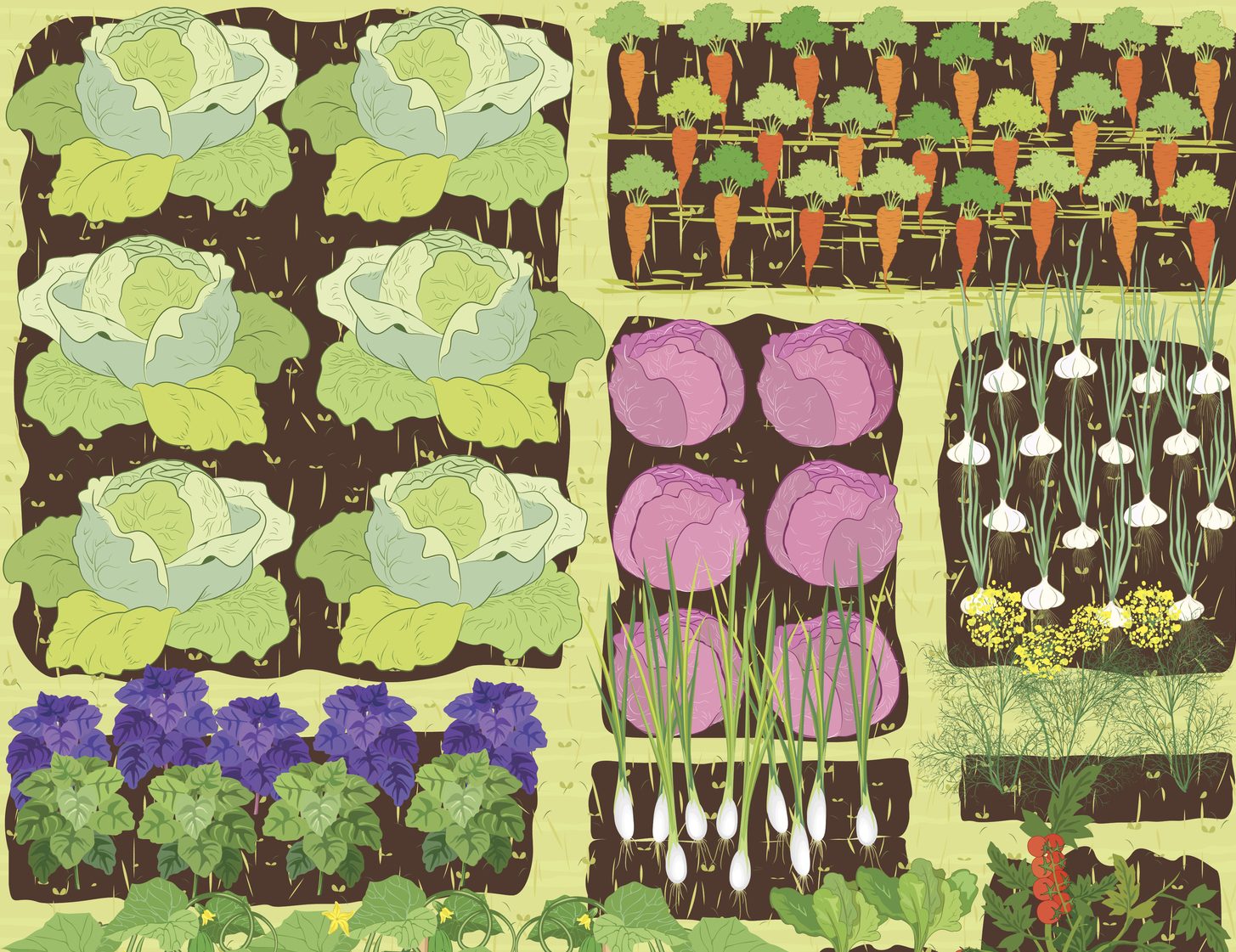
On a farm like this, another solution is crop diversity. If the entire farm was lettuce varieties, it would be in trouble. But here, there is such an array of productive plants – raspberries, garlic, flowers, lettuce, carrots, bok choy, summer squash, tomatoes, and more, that if one crop gets knocked out by a pest, there are others that will survive. Because just like humans, pests have their favorite foods and don’t usually bounce from species to species. So, for example, a garlic plant will be safe from a tomato plant pest.
Many farms will attest to this – diversify, and a farm can thrive. It maximizes earning potential and minimizes loss while allowing the farm to provide healthy produce for us.
The Business of Farming
The business of farming is a tough one. It takes a lot of hard work, problem-solving, and creativity. But if it’s done well, a farm can generate several diverse streams of revenue on the same land several times over. Some examples of a diverse farm business would be having beehives on the property to both pollinate the crops and make honey and wax that can be sold. Or creating a wind break with fruit trees. Indigenous farms would plant corn, beans, and squash. This practice served to feed the soil with diverse microbes, keep it covered to control weeds and erosion, and provide a natural trellis for the beans. If you integrate animals into the landscape to fertilize the soil, you can raise meat, eggs or dairy and grow produce on the same earth. The business at the farm I work at is diverse as a non-profit. It grows seedlings to sell to home gardeners and produces food that goes to CSAs and Food Pantries. It creates community through volunteerism and offers educational opportunities.


There’s a great example of a for-profit diversified operation that you can follow on Instagram. I love the farmer’s reels. He teaches other farmers how to build a regenerative farm operation. If you’re curious, check out Richard Perkins.
The People on the Farm
There were a lot more folks there today than there were in February! With weather like this, that’s no surprise. But chatting with my fellow volunteers, I found that there are those interested in learning how to garden or how to run a farm. Others are there because they just really enjoy working outside. Some are there to fulfill volunteer requirements for academic programs. A couple of us are in career transition, looking for some ways to give back until we move on to the next thing. There are people of all ages, too. Some are young adults, some are young parents. Some are in their later years. All are kind, friendly, helpful, and hard-working. It’s a wonderful place full of fascinating diversity. There’s something special about working with a group of people coming together to help things grow.
Our Diet Should Be Like the Farm
If farms grow the same crops in the soil year after year, the micro-universe in the soil is less robust, and the plants grown there become more susceptible to disease or pests. It’s no different for our bodies. The more diverse and varied the foods we feed it, the stronger we are. I hear you, I do not want to have to rethink my breakfast options every day either. My breakfast go-tos are my favorite smoothie, oatmeal with berries and almond butter, or an egg with a piece of toast. With all of the decisions we have to make in the course of a day, it’s a comfort to only have those 3 to choose from when I wake up. And then I have to figure out lunch AND dinner?! But I’m learning that for my health, eating should not be one of my mindless tasks. Food must be thoughtful and meals diverse. The list doesn’t have to be endless, but it should not always be the same.
Just like our world. A lack of diversity can make us vulnerable. To create resilience, variety is better. Like on a farm, in our neighborhood, and in our gut.
One response to “On the Farm – Diversity is best”
It sounds like you have found your next career! Thanks for the thoughtful research and practical experience you are sharing. Next step is to monetize your findings so you can continue to follow your passion AND make a living from it.